
Spring in Zingst: light show, cranes and barbecue
Cranes, coastal barbecues and the dancing lights of the elements in Zingst
Spring on the Baltic Sea: How Zingst is kicking off the new season with nature and culture
Spring on the Baltic Sea does not begin at the same time everywhere. In Zingst, it is often noticeable earlier than in many other coastal towns. This is due to its special location between the Baltic Sea and the Bodden, as well as a combination of natural events and cultural seasonal highlights that make the transition from winter to spring visible.
While winter tranquillity still reigns elsewhere, the Fischland-Darß-Zingst peninsula is already showing signs of change in February, heralding the start of the new season.
Spring in Zingst: Why nature sets the pace here
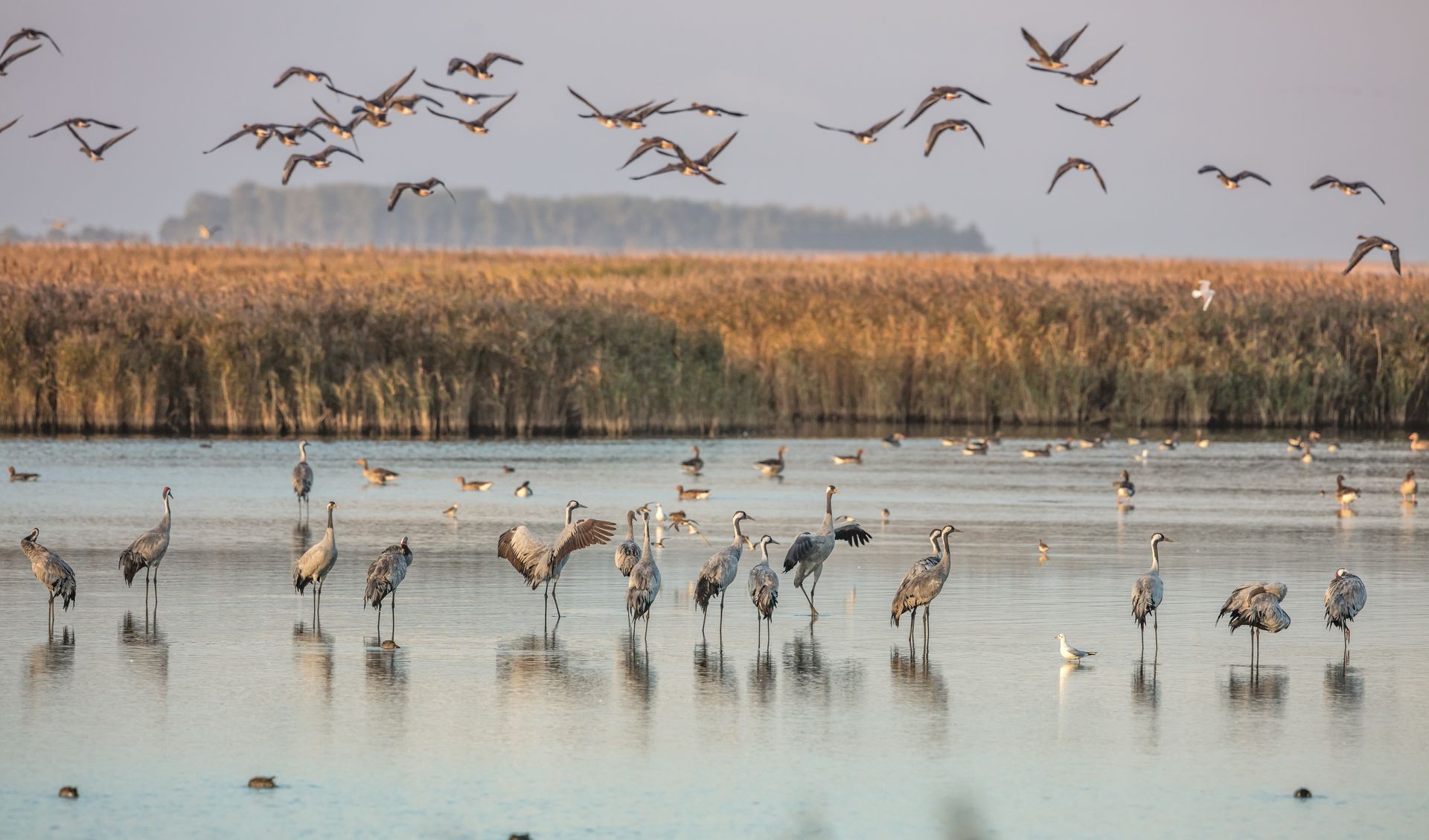
A key sign of spring in Zingst is the return of the cranes. From February onwards, the first birds arrive from their wintering grounds in France and Spain to the Bodden landscape around Fischland-Darß-Zingst. The region is one of the most important resting places along their migration route to Scandinavia and Eastern Europe.
The shallow Bodden waters and flooded meadows offer ideal conditions for resting. The mating season reaches its peak in March. During this time, the typical calls and formation flights of the cranes can be observed regularly – a natural phenomenon that marks the actual beginning of spring for many locals.
Crane courtship on the Baltic Sea: where this natural spectacle can be explained
Those who want to better understand this natural phenomenon will find more information at the International NABU Experience Centre Crane Worlds provides in-depth information. Europe's largest crane centre is located around 16 kilometres north-west of Stralsund and offers a multimedia exhibition, an award-winning film and nature discovery areas.
The centre clearly explains why the Bodden landscape on the Baltic Sea is so important for crane migration and what protective measures are necessary to preserve these resting areas in the long term.
Consciously experiencing spring on the Baltic Sea
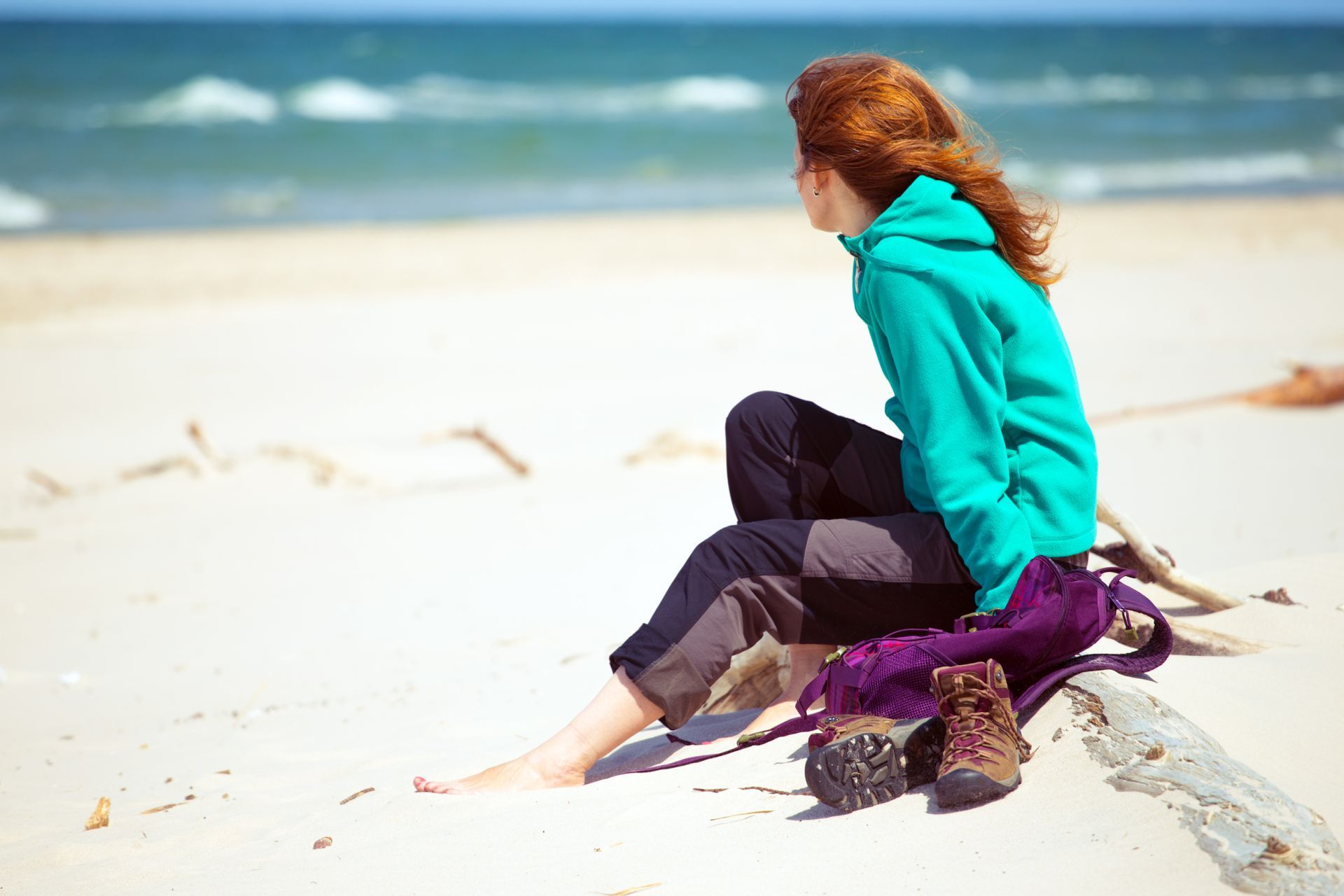
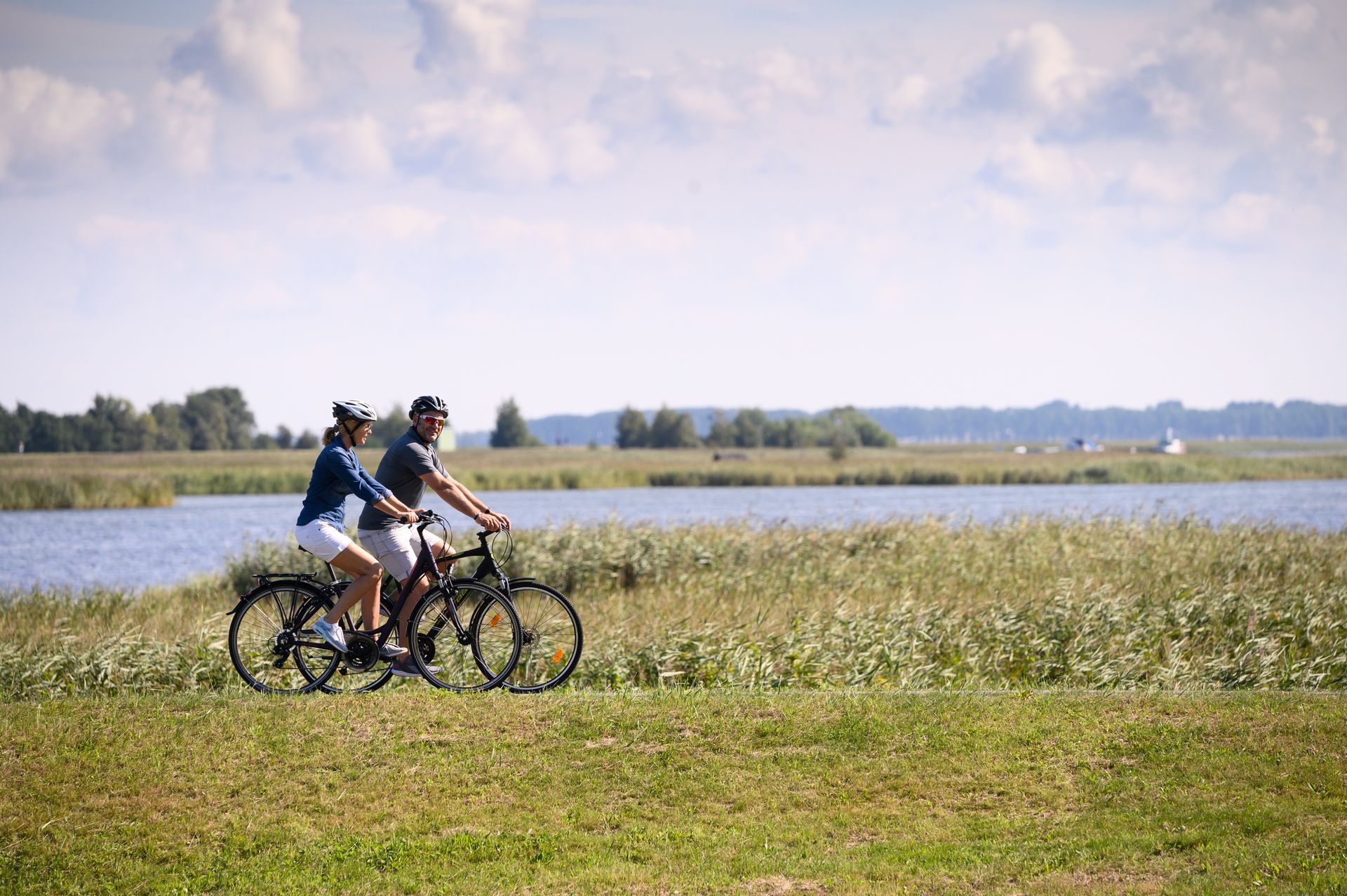
What makes spring in Zingst on the Baltic Sea so special is the combination of tranquillity and activity. The return of the cranes coincides with the start of the cultural season, without one overshadowing the other. The vastness of the landscape, the special light and the slower pace characterise this season.
Start of the season with culture: Spring also begins in the village
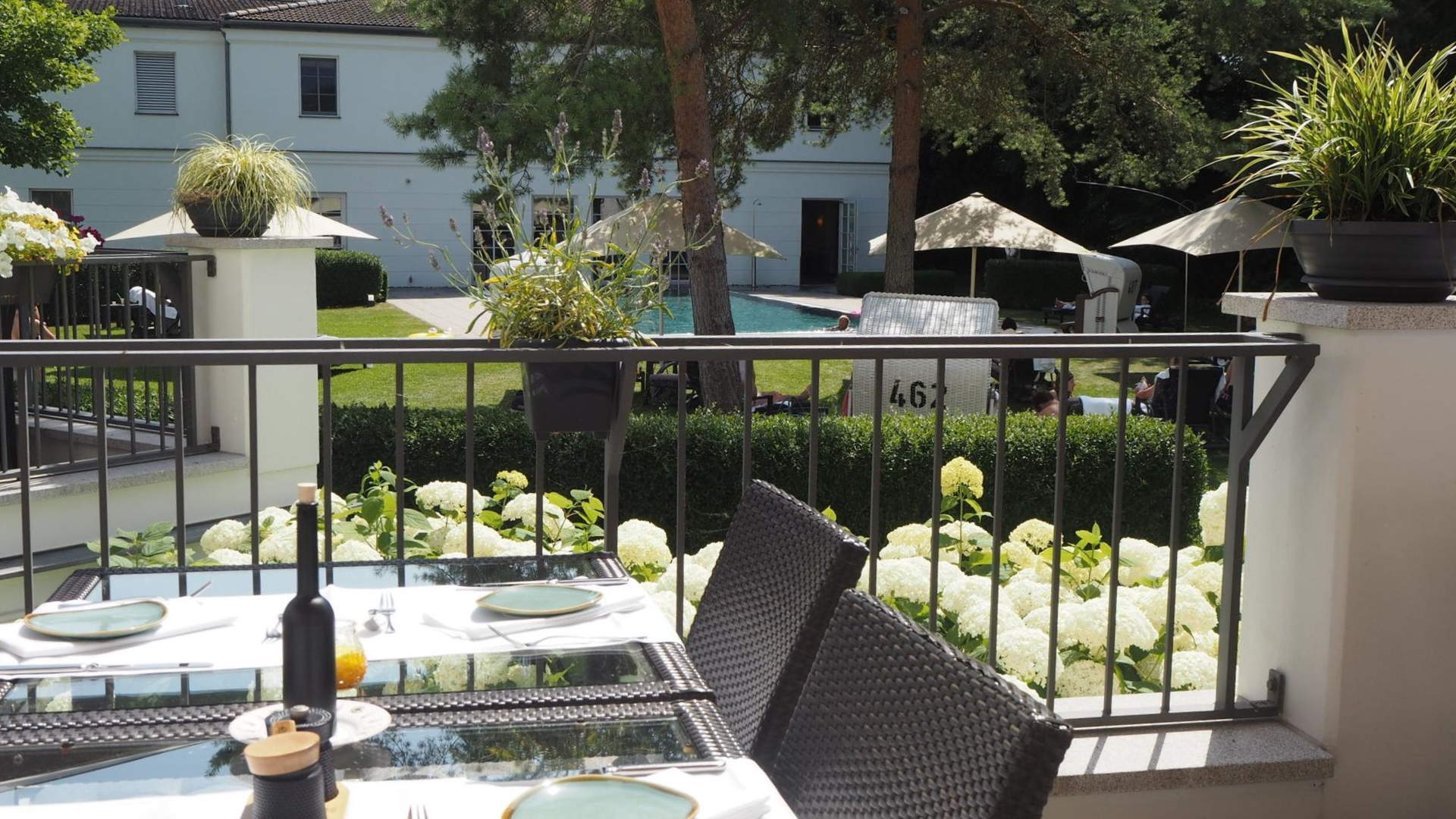
As nature awakens, life in Zingst also changes. Cafés and restaurants reopen their terraces, walks along the Baltic Sea become longer, and the town prepares for the new season. Despite this revival, spring remains a relatively quiet time – far removed from the hustle and bustle of summer.
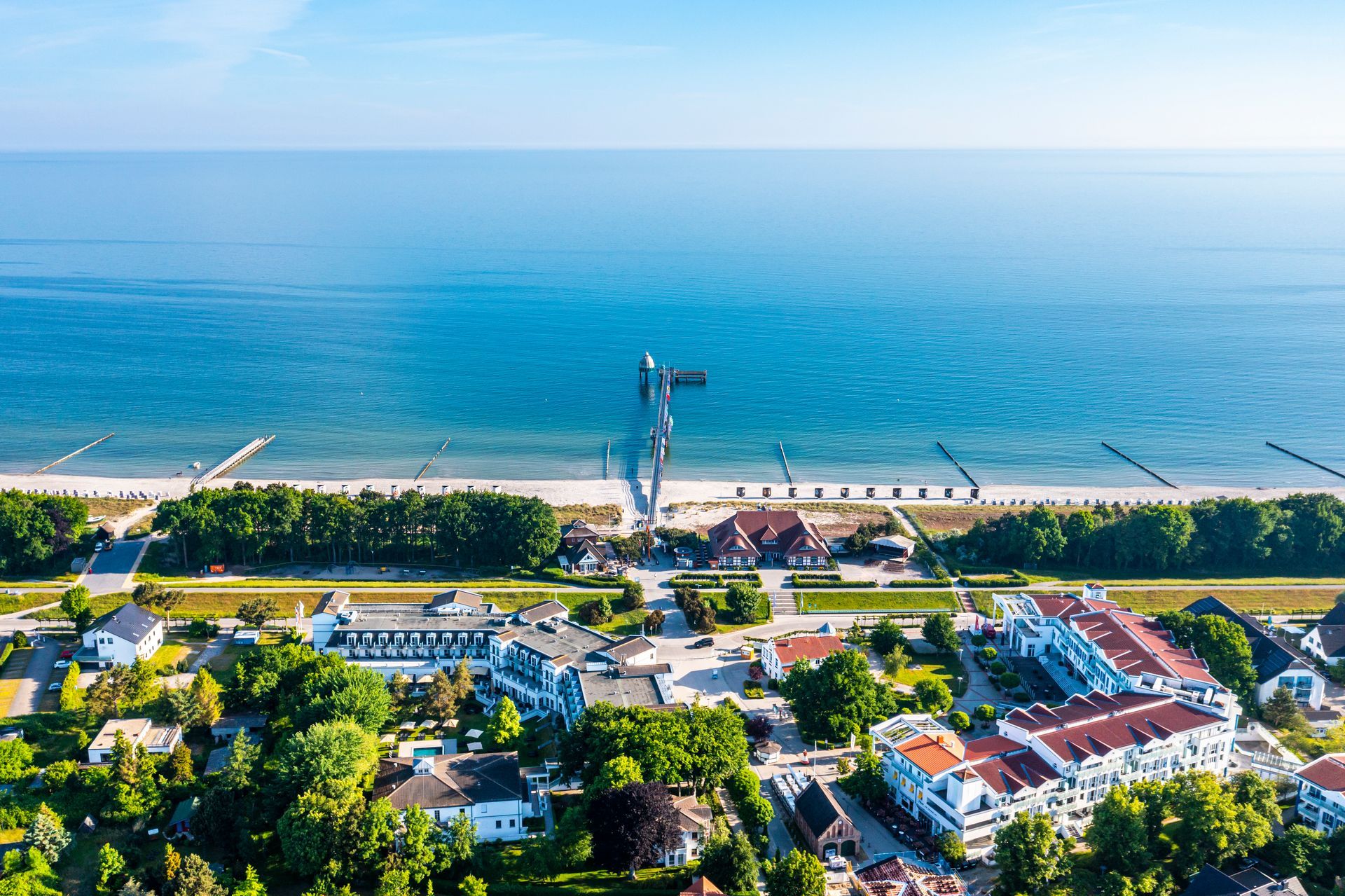
A fixed date for the start of the season is the Dance of the elements, which traditionally takes place at the pier. The spectacle of water, fire, light and lasers marks the official start of spring for many visitors and locals alike, combining natural scenery with a cultural event.
Why it's worth visiting in spring
Spring in Zingst is not a pre-season, but a time all of its own. Less hustle and bustle on the pier, more space and time for peace and quiet. It is precisely this interplay of nature and culture that explains why the Spring on the Baltic Sea in Zingst is one of the most beautiful times of the year for many people to travel.